Buy toolchain.eu ?
We are moving the project
toolchain.eu .
Are you interested in purchasing the domain
toolchain.eu ?
domain@kv-gmbh.de · 0541-91531010
Buy toolchain.eu ?
What is genetic engineering in biology?
Genetic engineering in biology is the process of manipulating an organism's genetic material to introduce new traits or characteristics. This can involve inserting genes from one organism into another to create genetically modified organisms (GMOs) with desired traits, such as increased resistance to pests or improved nutritional content. Genetic engineering has applications in agriculture, medicine, and research, and has the potential to address various challenges such as food security, disease treatment, and environmental sustainability. However, it also raises ethical and safety concerns that need to be carefully considered and regulated. **
Can someone explain the development of dietary patterns in biology?
Dietary patterns in biology have developed over time as a result of various factors such as evolutionary changes, environmental influences, and cultural practices. Early humans had a diet mainly consisting of fruits, vegetables, and lean meats obtained through hunting and gathering. As societies evolved, agriculture and domestication of animals led to the inclusion of grains, dairy, and other food sources in the human diet. Additionally, globalization and technological advancements have further influenced dietary patterns, leading to the consumption of processed foods and a shift towards more sedentary lifestyles. Overall, the development of dietary patterns in biology is a complex interplay of biological, environmental, and cultural factors. **
Similar search terms for Biology
Top-Angebote
Products related to Biology:
-
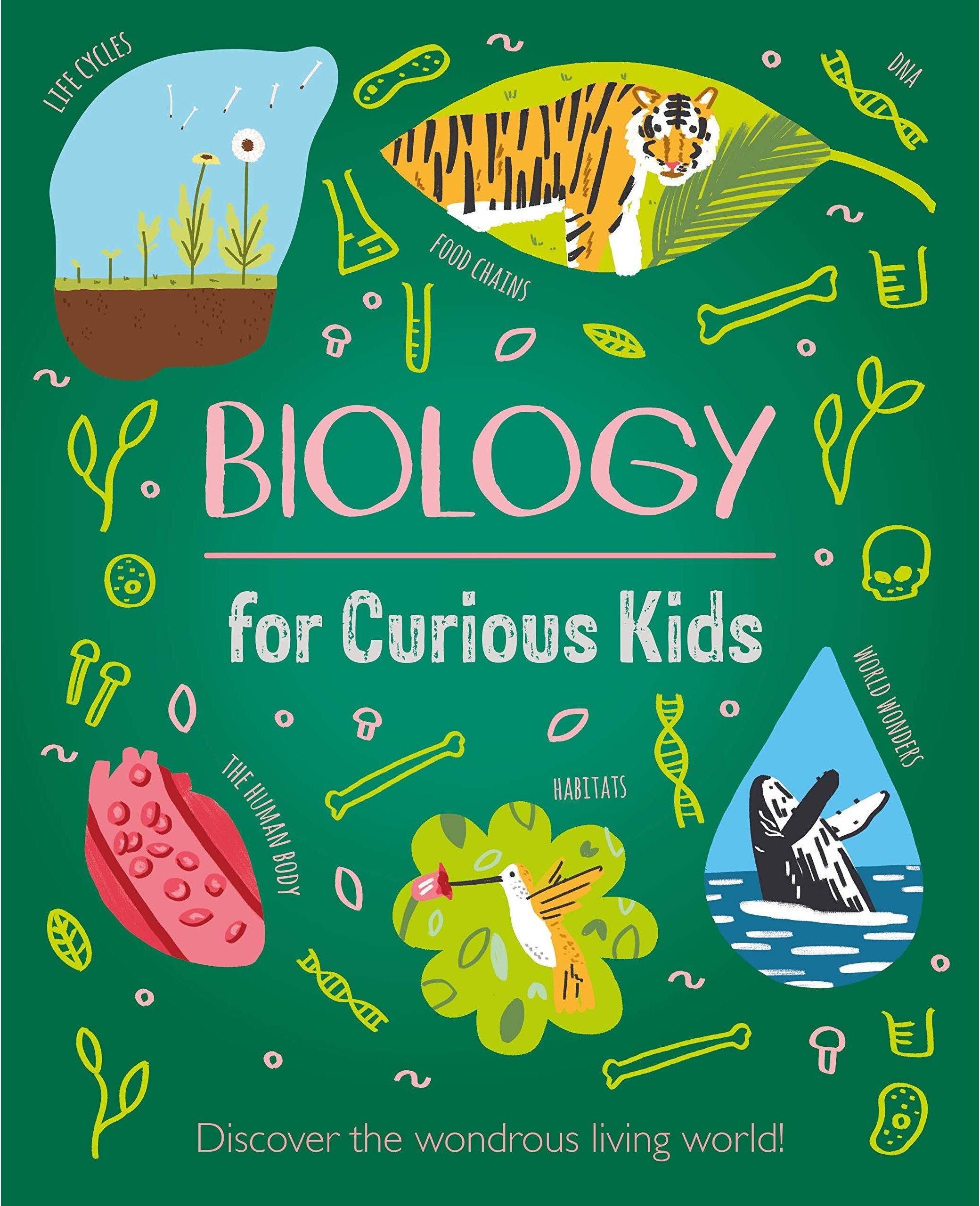
Arcturus Biology for Curious Kids: Discover the Wondrous Living World! (Curious Kids, 1)Young readers can take their first step in a lifelong love of the natural world with this introduction to biology, presented in a wonderful jacketed hardback format with full-colour illustrations. This inspirational book is packed with clear and engaging explanations of the natural world and the science behind it, accompanied by beautiful full-colour illustrations by Alex Foster. Supporting STEM learning, this book is an ideal supplement to school education as it covers many core topics in an entertaining and easy-to-understand way. Big new concepts pop off the page thanks to vibrant diagrams and an engaging, energetic text. Kids will relish sharing them with friends and family! Young readers will love exploring exhilarating new ideas about: • The human body and its organs • Animals, plants, and other living things • The microscopic universe of cells • Ecology and biodiversity Perfect for readers aged 8-12.7,99 £*Shipping: 2,99 £Secure redirect to the provider
-
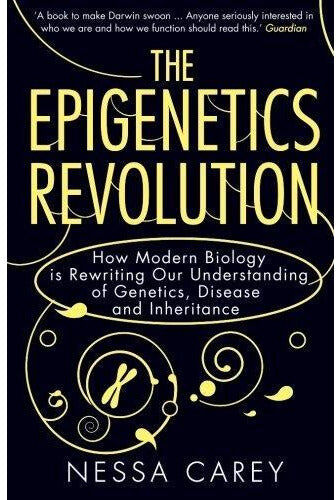
Icon Books The Epigenetics Revolution - How Modern Biology Is Rewriting Our Understanding Of Genetics Disease..At the beginning of this century enormous progress had been made in genetics. The Human Genome Project finished sequencing human DNA. It seemed it was only a matter of time until we had all the answers to the secrets of life on this planet.6,95 £*Shipping: 2,99 £Secure redirect to the provider
-
CGP Books GCSE AQA Combined Science Revision Question Cards 3 Pack Set (Chemistry, Physics, Biology)To cut to the chase, there’s more to revision than just reading through study notes. If you really want to make sure you know GCSE Chemistry, Physics and Biology you’ll need to test yourself - and that’s where these CGP Revision Question Cards come in! There are 95 cards in the pack, covering every key Grade 9-1 AQA topic. Each one starts off with quick questions to warm you up, followed by harder questions to get your brain into top gear. Flip the card over and you’ll find full answers to each question, carefully written to help you understand everything you need to know. Along the way, we’ve packed in plenty of diagrams and expert revision tips, and there are even questions on Working Scientifically and Practical Skills. Amazing!21,99 £*Shipping: 2,99 £Secure redirect to the provider
-
CGP Books CGP GCSE 9-1 AQA Revision Question Cards 3 Books Collection Set (Biology, Physics, Chemistry)New 9-1 gcse chemistry, biology, physics collection 3 books set -aqa revision question cards. Description:- New 9-1 GCSE Chemistry AQA Revision Question Cards (CGP GCSE Chemistry 9-1 Revision) To cut to the chase, there’s more to revision than just reading through study notes. If you really want to make sure you know GCSE Chemistry, you’ll need to test yourself - and that’s where these CGP Revision Question Cards come in! There are 95 cards in the pack, covering every key Grade 9-1 AQA topic. Each one starts off with quick questions to warm you up, followed by harder questions to get your brain into top gear. Flip the card over and you’ll find full answers to each question, carefully written to help you understand everything you need to know. New 9-1 GCSE Physics AQA Revision Question Cards (CGP GCSE Physics 9-1 Revision) Reading over study notes doesn’t mean you’ll automatically remember everything - to really put your GCSE Physics knowledge to the test, try these superb CGP Revision Question Cards! There are 95 cards in the pack, covering every key Grade 9-1 AQA topic. Each one starts off with quick questions to warm you up, followed by harder questions to get your brain into top gear. Flip the card over and you’ll find full answers to each question, carefully written to help you understand everything you need to know. New 9-1 GCSE Biology AQA Revision Question Cards (CGP GCSE Biology 9-1 Revision) Let’s face it: you won’t learn much by just reading through your study notes. If you really want to make sure you know GCSE Biology, you’ll need to test yourself - and that’s where these CGP Revision Question Cards come in! There are 95 cards in the pack, covering every key Grade 9-1 AQA topic. Each one starts off with quick questions to warm you up, followed by harder questions to get your brain into top gear. Flip the card over and you’ll find full answers to each question, carefully written to help you understand everything you need to know.25,95 £*Shipping: 2,99 £Secure redirect to the provider


-
What is the difference between genetic engineering and synthetic biology?
Genetic engineering involves the manipulation of an organism's genetic material, typically by inserting or deleting specific genes to achieve a desired trait. This process often involves the use of recombinant DNA technology to modify the genetic makeup of an organism. On the other hand, synthetic biology is a broader field that encompasses the design and construction of new biological parts, devices, and systems, often using genetic engineering techniques. Synthetic biology aims to create new biological functions or organisms by designing and building genetic circuits and pathways from scratch, rather than just modifying existing genetic material. In essence, genetic engineering is a subset of synthetic biology, with the latter involving a more comprehensive and systematic approach to engineering biological systems. **
-
In automation, which software is it?
In automation, the software used is typically referred to as automation software or automation tools. These tools are designed to automate repetitive tasks, streamline processes, and increase efficiency in various industries. Some popular examples of automation software include UiPath, Blue Prism, Automation Anywhere, and Selenium. These tools often use technologies such as robotic process automation (RPA) and artificial intelligence to mimic human actions and perform tasks with minimal human intervention. **
-
Software or hardware?
When deciding between software and hardware, it ultimately depends on the specific needs and goals of the user. Software provides flexibility, scalability, and ease of updates, making it ideal for tasks that require frequent changes or updates. On the other hand, hardware offers reliability, security, and performance for tasks that require high processing power or data storage. It is important to carefully evaluate the requirements of the project or task at hand to determine whether software or hardware is the best solution. **
-
'Software or hardware?'
The choice between software and hardware depends on the specific needs and goals of the user. Software provides flexibility and can be easily updated or customized, while hardware offers physical components that may be more reliable and provide better performance for certain tasks. Ultimately, the decision between software and hardware should be based on the specific requirements of the user and the intended use of the technology. **

Can someone help me in biology? The topic is development and immunobiology.
Yes, I can help you with biology. Development in biology refers to the process of growth and differentiation of cells and tissues in an organism. Immunobiology, on the other hand, is the study of the immune system and its functions. If you have specific questions or need clarification on any concepts related to development or immunobiology, feel free to ask and I'll do my best to assist you. **
What is the term for the development of higher organisms in biology?
The term for the development of higher organisms in biology is "ontogeny." Ontogeny refers to the process of an organism's growth and development from the time of fertilization to maturity. It encompasses the various stages of development, including embryonic, fetal, and postnatal growth, as well as the differentiation and specialization of cells and tissues. Ontogeny is a fundamental concept in biology and is essential for understanding the complexity of higher organisms. **
Top-Angebote
Products related to Biology:
-
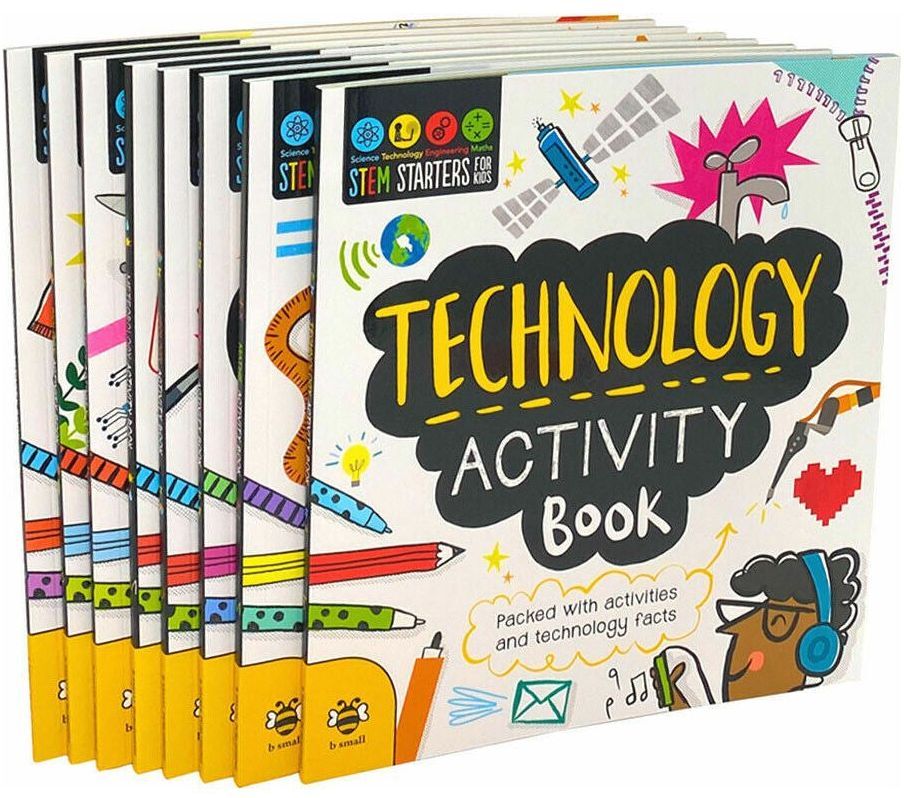
B Small Publishing STEM Educational Activity 8 Books Collection Set STEM Starters for Kids Science, Biology, Maths, Engineering, Meteorology for Early LearnersInspire curiosity and a love of learning with the STEM Educational Activity 8 Books Set, specially designed to introduce children to key STEM subjects through fun, hands-on activities. This engaging STEM Starters for Kids collection covers essential topics such as Maths, Engineering, Meteorology, and core scientific concepts, helping young learners build problem-solving skills, logical thinking, and creativity. Each book features age-appropriate explanations, interactive exercises, and simple activities that make complex ideas easy to understand. Ideal for home learning, classrooms, homeschooling, and after-school enrichment, this 8-book set supports early educational development while keeping children motivated and confident in STEM subjects. Why Parents & Educators Love This Set: 8 educational STEM activity books in one collection Introduces Maths, Engineering, Meteorology & Science Encourages critical thinking and problem-solving Hands-on activities that make learning fun Suitable for ages 5–10 Perfect for home, school, or gift giving A strong foundation for future learning, the STEM Educational Activity 8 Books Set helps children explore how the world works while developing essential academic and life skills. Science Activity Book In this particular title, little scientists will love the mix of non-fiction and activities in this educational book full of BIG ideas.Fun games and puzzles teach boys and girls about smells and taste buds, the power of magnetism, how sound travels and the different types of energy that fuel our lives and our world. Biology Activity Book Fun games and puzzles teach boys and girls about biology, plants, biomes, ecology, nature, digestion and the human body. Robotics Activity Book Fun games and puzzles teach boys and girls about robotics, automation, programming and engineering. Start a lifelong passion for STEM subjects. Meteorology Fun games and puzzles teach boys and girls about climates, the power of storms, how rain happens and the different ways of measuring the weather. Geology Fun games and puzzles teach boys and girls about rocks and fossils, the power of volcanoes, how earthquakes happen and the origin of the oil that fuels our lives and our world. Engineering Activity Book Fun games and puzzles teach boys and girls about structures that use science and technology to improve our lives. Engineering is what brings machines to life. Technology Activity Book Fun games and puzzles teach boys and girls about digital developments like mobile phones and the internet to more old-fashioned inventions like zips and door hinges. Maths Activity Book Fun games and puzzles teach boys and girls how to solve problems using addition, subtraction, multiplication and division.Maths is a huge part of science, technology and engineering.12,99 £*Shipping: 2,99 £Secure redirect to the provider
-
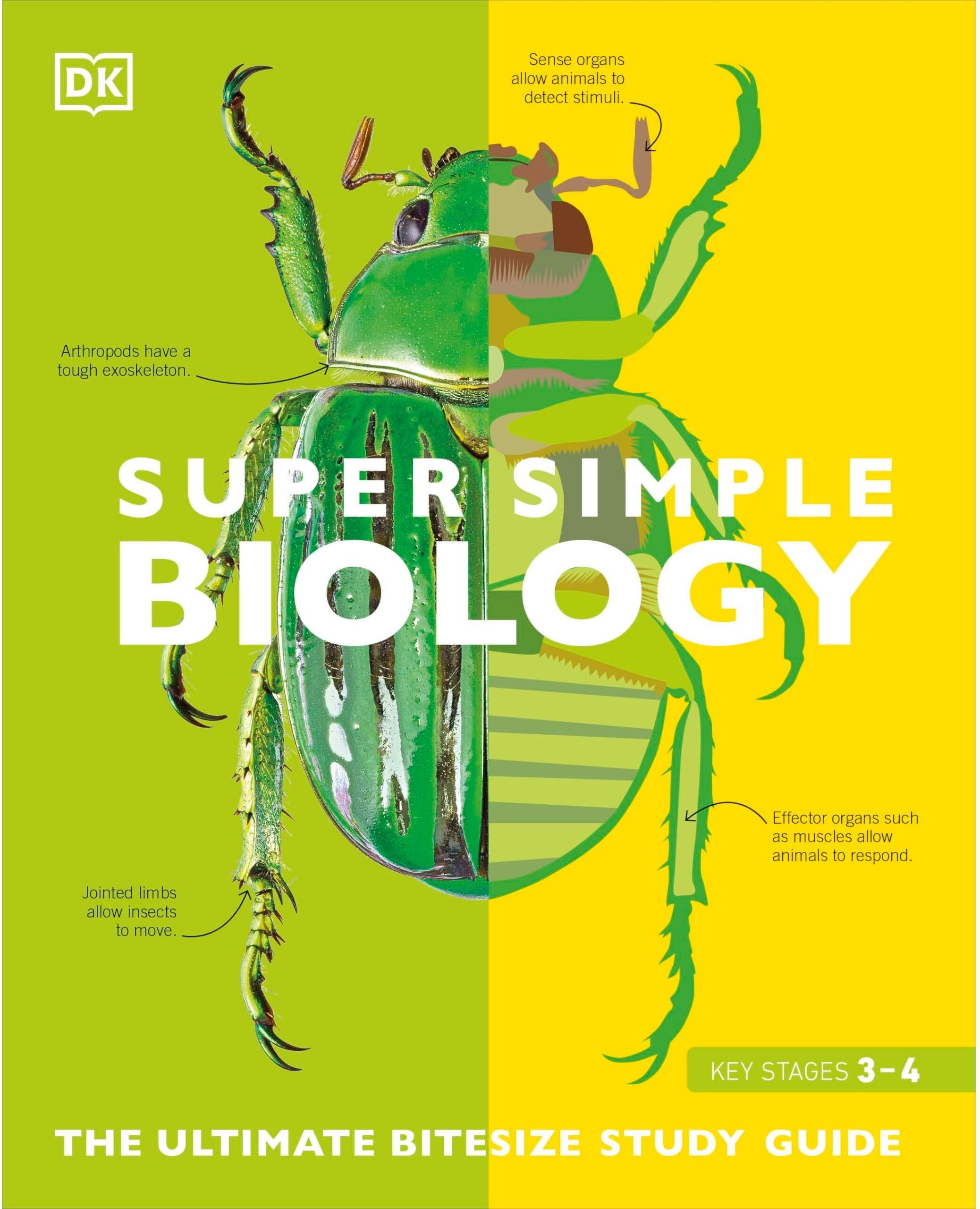
DK Super Simple Biology: The Ultimate Bitesize Study GuideFrom reproduction to respiration and from enzymes to ecosystems, this guide makes complex topics easy to grasp at a glance. Perfect support for coursework, homework, and exam revision. Each topic is fully illustrated to support the information, make the facts crystal clear, and bring the science to life. For key ideas, "How it works" and "Look closer" boxes explain the theory with the help of simple graphics. And for revision, a handy "Key facts" box provides a simple summary you can check back on later. With clear, concise coverage of all the core biology topics, SuperSimple Biology is the perfect accessible guide to biology for children, supporting classwork, and making studying for exams the easiest it's ever been.7,90 £*Shipping: 2,99 £Secure redirect to the provider
-
Arcturus Biology for Curious Kids: Discover the Wondrous Living World! (Curious Kids, 1)Young readers can take their first step in a lifelong love of the natural world with this introduction to biology, presented in a wonderful jacketed hardback format with full-colour illustrations. This inspirational book is packed with clear and engaging explanations of the natural world and the science behind it, accompanied by beautiful full-colour illustrations by Alex Foster. Supporting STEM learning, this book is an ideal supplement to school education as it covers many core topics in an entertaining and easy-to-understand way. Big new concepts pop off the page thanks to vibrant diagrams and an engaging, energetic text. Kids will relish sharing them with friends and family! Young readers will love exploring exhilarating new ideas about: • The human body and its organs • Animals, plants, and other living things • The microscopic universe of cells • Ecology and biodiversity Perfect for readers aged 8-12.7,99 £*Shipping: 2,99 £Secure redirect to the provider
-
Icon Books The Epigenetics Revolution - How Modern Biology Is Rewriting Our Understanding Of Genetics Disease..At the beginning of this century enormous progress had been made in genetics. The Human Genome Project finished sequencing human DNA. It seemed it was only a matter of time until we had all the answers to the secrets of life on this planet.6,95 £*Shipping: 2,99 £Secure redirect to the provider
-
What is genetic engineering in biology?
Genetic engineering in biology is the process of manipulating an organism's genetic material to introduce new traits or characteristics. This can involve inserting genes from one organism into another to create genetically modified organisms (GMOs) with desired traits, such as increased resistance to pests or improved nutritional content. Genetic engineering has applications in agriculture, medicine, and research, and has the potential to address various challenges such as food security, disease treatment, and environmental sustainability. However, it also raises ethical and safety concerns that need to be carefully considered and regulated. **
-
Can someone explain the development of dietary patterns in biology?
Dietary patterns in biology have developed over time as a result of various factors such as evolutionary changes, environmental influences, and cultural practices. Early humans had a diet mainly consisting of fruits, vegetables, and lean meats obtained through hunting and gathering. As societies evolved, agriculture and domestication of animals led to the inclusion of grains, dairy, and other food sources in the human diet. Additionally, globalization and technological advancements have further influenced dietary patterns, leading to the consumption of processed foods and a shift towards more sedentary lifestyles. Overall, the development of dietary patterns in biology is a complex interplay of biological, environmental, and cultural factors. **
-
What is the difference between genetic engineering and synthetic biology?
Genetic engineering involves the manipulation of an organism's genetic material, typically by inserting or deleting specific genes to achieve a desired trait. This process often involves the use of recombinant DNA technology to modify the genetic makeup of an organism. On the other hand, synthetic biology is a broader field that encompasses the design and construction of new biological parts, devices, and systems, often using genetic engineering techniques. Synthetic biology aims to create new biological functions or organisms by designing and building genetic circuits and pathways from scratch, rather than just modifying existing genetic material. In essence, genetic engineering is a subset of synthetic biology, with the latter involving a more comprehensive and systematic approach to engineering biological systems. **
-
In automation, which software is it?
In automation, the software used is typically referred to as automation software or automation tools. These tools are designed to automate repetitive tasks, streamline processes, and increase efficiency in various industries. Some popular examples of automation software include UiPath, Blue Prism, Automation Anywhere, and Selenium. These tools often use technologies such as robotic process automation (RPA) and artificial intelligence to mimic human actions and perform tasks with minimal human intervention. **
Similar search terms for Biology
-
CGP Books GCSE AQA Combined Science Revision Question Cards 3 Pack Set (Chemistry, Physics, Biology)To cut to the chase, there’s more to revision than just reading through study notes. If you really want to make sure you know GCSE Chemistry, Physics and Biology you’ll need to test yourself - and that’s where these CGP Revision Question Cards come in! There are 95 cards in the pack, covering every key Grade 9-1 AQA topic. Each one starts off with quick questions to warm you up, followed by harder questions to get your brain into top gear. Flip the card over and you’ll find full answers to each question, carefully written to help you understand everything you need to know. Along the way, we’ve packed in plenty of diagrams and expert revision tips, and there are even questions on Working Scientifically and Practical Skills. Amazing!21,99 £*Shipping: 2,99 £Secure redirect to the provider
-
CGP Books CGP GCSE 9-1 AQA Revision Question Cards 3 Books Collection Set (Biology, Physics, Chemistry)New 9-1 gcse chemistry, biology, physics collection 3 books set -aqa revision question cards. Description:- New 9-1 GCSE Chemistry AQA Revision Question Cards (CGP GCSE Chemistry 9-1 Revision) To cut to the chase, there’s more to revision than just reading through study notes. If you really want to make sure you know GCSE Chemistry, you’ll need to test yourself - and that’s where these CGP Revision Question Cards come in! There are 95 cards in the pack, covering every key Grade 9-1 AQA topic. Each one starts off with quick questions to warm you up, followed by harder questions to get your brain into top gear. Flip the card over and you’ll find full answers to each question, carefully written to help you understand everything you need to know. New 9-1 GCSE Physics AQA Revision Question Cards (CGP GCSE Physics 9-1 Revision) Reading over study notes doesn’t mean you’ll automatically remember everything - to really put your GCSE Physics knowledge to the test, try these superb CGP Revision Question Cards! There are 95 cards in the pack, covering every key Grade 9-1 AQA topic. Each one starts off with quick questions to warm you up, followed by harder questions to get your brain into top gear. Flip the card over and you’ll find full answers to each question, carefully written to help you understand everything you need to know. New 9-1 GCSE Biology AQA Revision Question Cards (CGP GCSE Biology 9-1 Revision) Let’s face it: you won’t learn much by just reading through your study notes. If you really want to make sure you know GCSE Biology, you’ll need to test yourself - and that’s where these CGP Revision Question Cards come in! There are 95 cards in the pack, covering every key Grade 9-1 AQA topic. Each one starts off with quick questions to warm you up, followed by harder questions to get your brain into top gear. Flip the card over and you’ll find full answers to each question, carefully written to help you understand everything you need to know.25,95 £*Shipping: 2,99 £Secure redirect to the provider
-
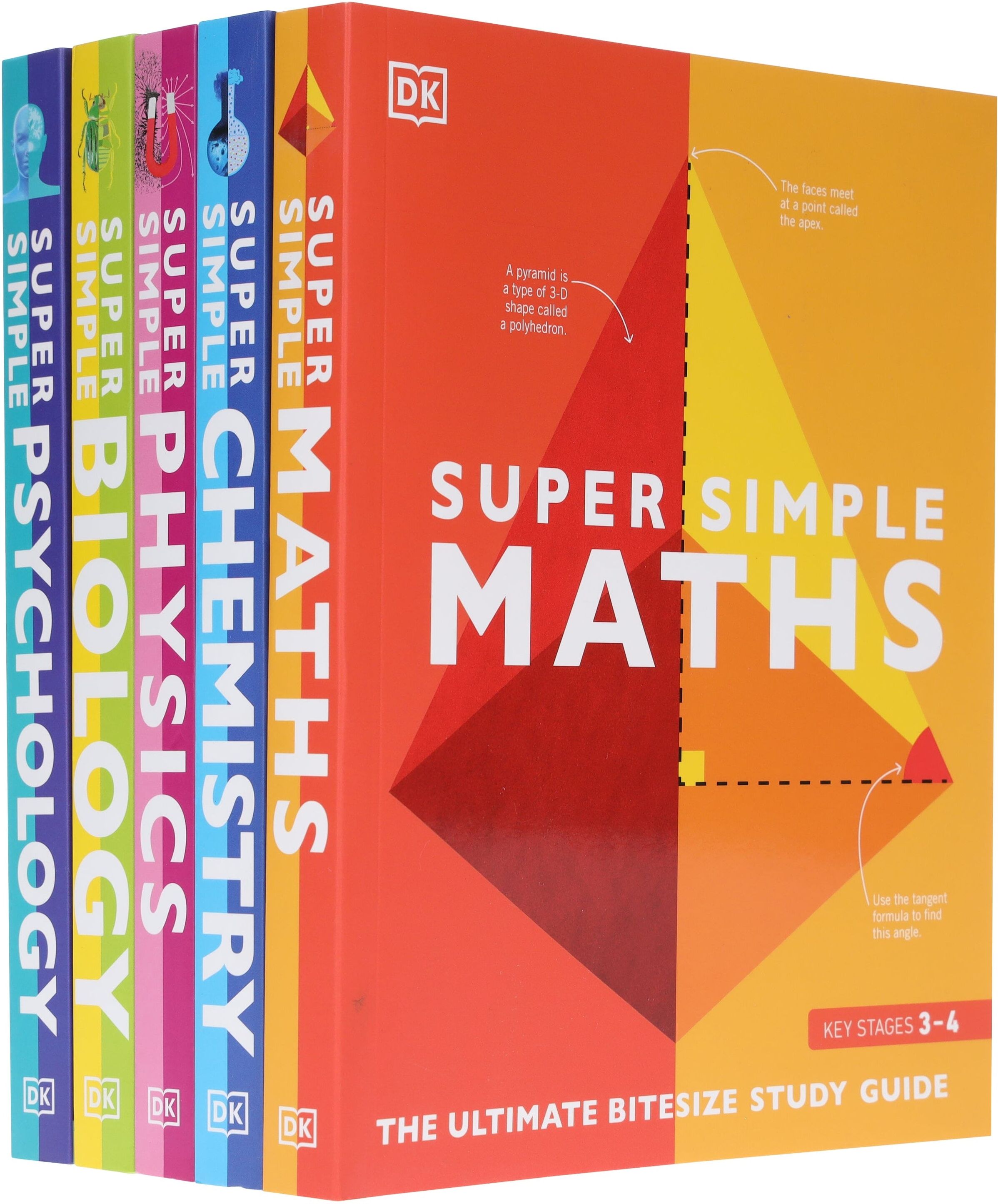
Super Simple: Maths, Chemistry, Physics, Biology & Psychology The Ultimate Bitesize Study Guide 5 Books Collection Set - Non Fiction - Paperback DKIntroduction: Master key concepts effortlessly with The Ultimate Bitesize Study Guide 5 Books Collection Set. This comprehensive set simplifies complex subjects, offering clear explanations and concise summaries, making learning engaging and accessible. Perfect for students seeking to enhance their understanding and excel in their studies. Feature Specification Series / Brand DK Super Simple Study Guides (The Gold Standard of Visual Revision Layouts) Publisher / Imprint DK Children Ltd (Dorling Kindersley, London, United Kingdom) SKU / Product Code B2D4095-5BKS Format Multi-Book Value Paperback Revision Collection inside Custom Display Banded Packing Total Book Count 5 Comprehensive Core Academic Subject Volumes Age Range Ages 11 to 16 Years Old (Key Stage 3, Key Stage 4, GCSE Curriculum Foundations & A-Level Psychology Intro) Subject Domains Covered Key Stage 3 & 4 Mathematics, Chemistry, Physics, Biology, and Introductory Behavioral Psychology Internal Page Elements High-contrast colour coding arrays, "How It Works" diagnostic panels, central graphic layout imagery, single-page summary sheets Skills Developed Conceptual memory encoding, scientific logic verification, mathematical processing accuracy, structured examination confidence loops Description: Super Simple Maths Super Simple Maths is designed for learners between the ages of 11 - 16. Each maths topic in line with the national curriculum is simplified into manageable, bite-sized chunks explained using colourful, engaging diagrams and graphs. Perfect for visual learners, this guide brings maths clearly into focus, making mathematicians out of even the most reluctant of students. Super Simple Chemistry Each topic is fully illustrated, to support the information, make the facts crystal clear, bring the science to life and make studying a breeze. A large central image explains the idea visually and each topic is summed up on a single page, helping children to quickly get up to speed and really understand how chemistry works. For key ideas, "How it Works" and "Look Closer" boxes explain the theory with the help of simple graphics. And for revision, a handy "Key Facts" box provides a simple summary you can check back on later. With clear, concise coverage of all the core topics, Super Simple Chemistry is the perfect accessible guide to chemistry for children, supporting classwork, and making studying for exams the easiest it's ever been. Super Simple Physics Breaking down the information into easy, manageable chunks, Super Simple Physics covers everything from atoms to astronomy and forces to flotation. Each topic is fully illustrated, to support the information, make the facts crystal clear, and bring the science to life. For key ideas, a "How it works" panel explains the theory with the help of bright, simple graphics. And for revision, a handy "Key facts" box provides a simple summary you can check back on later. Super Simple Biology From reproduction to respiration and from enzymes to...23,99 £*Shipping: 2,99 £Secure redirect to the provider
-
My Revision Notes: AQA GCSE (9-1) Biology, Physics & Chemistry 3 Books Collection Set - Ages 14-16 - Paperback Hodder EducationTitle in This Set: 1. My Revision Notes: AQA GCSE (9-1) Biology 2. My Revision Notes: AQA GCSE (9-1) Physics 3. My Revision Notes: AQA GCSE (9-1) Chemistry Description: Exam Board: AQA Level: GCSE Subject: Biology, Physics & Chemistry First Teaching: September 2016 First Exam: Summer 2018 Unlock your students' full potential with these revision guides from our best-selling series My Revision Notes With My Revision Notes your students can: - Manage their own revision with step-by-step support from experienced teachers with examining experience. - Apply scientific terms accurately with the help of definitions and key words. - Prepare for practicals with questions based on practical work. - Focus on the key points from each topic - Plan and pace their revision with the revision planner. - Test understanding with end-of-topic questions and answers. - Get exam ready with last minute quick quizzes available on the Hodder Education Website.19,99 £*Shipping: 2,99 £Secure redirect to the provider
-
Software or hardware?
When deciding between software and hardware, it ultimately depends on the specific needs and goals of the user. Software provides flexibility, scalability, and ease of updates, making it ideal for tasks that require frequent changes or updates. On the other hand, hardware offers reliability, security, and performance for tasks that require high processing power or data storage. It is important to carefully evaluate the requirements of the project or task at hand to determine whether software or hardware is the best solution. **
-
'Software or hardware?'
The choice between software and hardware depends on the specific needs and goals of the user. Software provides flexibility and can be easily updated or customized, while hardware offers physical components that may be more reliable and provide better performance for certain tasks. Ultimately, the decision between software and hardware should be based on the specific requirements of the user and the intended use of the technology. **
-
Can someone help me in biology? The topic is development and immunobiology.
Yes, I can help you with biology. Development in biology refers to the process of growth and differentiation of cells and tissues in an organism. Immunobiology, on the other hand, is the study of the immune system and its functions. If you have specific questions or need clarification on any concepts related to development or immunobiology, feel free to ask and I'll do my best to assist you. **
-
What is the term for the development of higher organisms in biology?
The term for the development of higher organisms in biology is "ontogeny." Ontogeny refers to the process of an organism's growth and development from the time of fertilization to maturity. It encompasses the various stages of development, including embryonic, fetal, and postnatal growth, as well as the differentiation and specialization of cells and tissues. Ontogeny is a fundamental concept in biology and is essential for understanding the complexity of higher organisms. **
* All prices are inclusive of VAT and, if applicable, plus shipping costs. The offer information is based on the details provided by the respective shop and is updated through automated processes. Real-time updates do not occur, so deviations can occur in individual cases. ** Note: Parts of this content were created by AI.