Buy toolchain.eu ?
We are moving the project
toolchain.eu .
Are you interested in purchasing the domain
toolchain.eu ?
domain@kv-gmbh.de · 0541-91531010
Buy toolchain.eu ?
Is automotive engineering difficult?
Automotive engineering can be challenging due to the complex nature of designing and developing vehicles. It requires a strong understanding of mechanical engineering, electrical engineering, and materials science. Additionally, staying updated with the latest technologies and regulations in the automotive industry adds to the difficulty. However, with dedication and passion for the field, many find the challenges of automotive engineering to be rewarding and fulfilling. **
Is studying automotive engineering difficult?
Studying automotive engineering can be challenging due to the complex nature of the subject matter, which involves a combination of mechanical, electrical, and computer engineering principles. Students are required to have a strong foundation in math and science, as well as problem-solving skills. However, with dedication, hard work, and a passion for the field, many students find studying automotive engineering to be rewarding and fulfilling. **
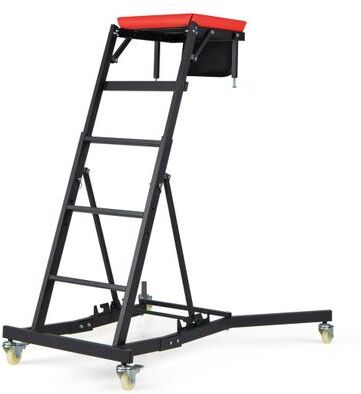

Similar search terms for Costway-Topside-Automotive-Engine
Top-Angebote
Products related to Costway-Topside-Automotive-Engine:
-
HIGHWAY AUTOMOTIVE 10153001 Engine radiatorCore Length [mm]: 400; Core Width [mm]: 408; Core Depth [mm]: 56; Cooling Fin Material: Aluminium; Water Tank Material (radiator): Aluminium; Radiator type: Brazed cooling fins; Inlet Diameter [mm]: 32; Outlet Diameter [mm]: 32; Supplementary Article / Supplementary Info Info 2: with frame228,99 £*Shipping: 1,99 £Secure redirect to the provider


-
Should I study mechanical engineering or automotive engineering?
The decision between studying mechanical engineering or automotive engineering depends on your interests and career goals. If you are passionate about designing and developing automotive systems, such as engines, transmissions, and vehicle dynamics, then automotive engineering may be the right choice for you. On the other hand, if you are interested in a broader range of engineering principles and want to keep your career options open to various industries, then mechanical engineering may be a better fit. Consider your interests, strengths, and long-term career aspirations to make an informed decision. **
-
How can one study automotive engineering?
One can study automotive engineering by enrolling in a bachelor's degree program in automotive engineering or a related field such as mechanical engineering. These programs typically cover topics such as vehicle design, manufacturing processes, automotive systems, and materials science. Additionally, gaining hands-on experience through internships, co-op programs, or research projects can provide valuable practical skills. Pursuing advanced degrees or certifications in automotive engineering can also help individuals further specialize in this field and advance their careers. **
-
What types of fan designs are there in automotive engine cooling?
There are two main types of fan designs used in automotive engine cooling: mechanical and electric. Mechanical fans are driven by the engine through a belt and pulley system, and they typically have a fixed speed. On the other hand, electric fans are powered by an electric motor and can be controlled to vary their speed based on engine temperature or other factors. Both types of fans are used to draw air through the radiator to help dissipate heat from the engine. **
-
Is mechanical engineering and automotive engineering slowly dying out?
No, mechanical engineering and automotive engineering are not slowly dying out. In fact, these fields continue to be in high demand due to the constant need for advancements in technology, sustainability, and transportation. As the automotive industry transitions towards electric and autonomous vehicles, there is a growing need for engineers with expertise in these areas. Additionally, mechanical engineering remains a foundational discipline that is essential in a wide range of industries beyond automotive. **

Which manufacturing techniques are used in the automotive industry?
The automotive industry uses a variety of manufacturing techniques to produce vehicles efficiently and with high quality. Some common techniques include stamping, welding, casting, and injection molding. These techniques are used to create the various components of a vehicle, such as body panels, chassis, engine parts, and interior components. Additionally, advanced technologies like robotics and automation are increasingly being used in the automotive manufacturing process to improve precision and productivity. **
Which engineering discipline do you prefer: Chemical or Automotive Engineering?
As an AI, I do not have personal preferences. However, both Chemical and Automotive Engineering are fascinating disciplines with unique challenges and opportunities. Chemical Engineering involves the study of processes that transform raw materials into valuable products, while Automotive Engineering focuses on designing and developing vehicles. Both fields offer exciting career prospects and the chance to make a significant impact on society through innovation and problem-solving. Ultimately, the choice between the two disciplines depends on individual interests and career goals. **
Top-Angebote
Products related to Costway-Topside-Automotive-Engine:
-
Is automotive engineering difficult?
Automotive engineering can be challenging due to the complex nature of designing and developing vehicles. It requires a strong understanding of mechanical engineering, electrical engineering, and materials science. Additionally, staying updated with the latest technologies and regulations in the automotive industry adds to the difficulty. However, with dedication and passion for the field, many find the challenges of automotive engineering to be rewarding and fulfilling. **
-
Is studying automotive engineering difficult?
Studying automotive engineering can be challenging due to the complex nature of the subject matter, which involves a combination of mechanical, electrical, and computer engineering principles. Students are required to have a strong foundation in math and science, as well as problem-solving skills. However, with dedication, hard work, and a passion for the field, many students find studying automotive engineering to be rewarding and fulfilling. **
-
Should I study mechanical engineering or automotive engineering?
The decision between studying mechanical engineering or automotive engineering depends on your interests and career goals. If you are passionate about designing and developing automotive systems, such as engines, transmissions, and vehicle dynamics, then automotive engineering may be the right choice for you. On the other hand, if you are interested in a broader range of engineering principles and want to keep your career options open to various industries, then mechanical engineering may be a better fit. Consider your interests, strengths, and long-term career aspirations to make an informed decision. **
-
How can one study automotive engineering?
One can study automotive engineering by enrolling in a bachelor's degree program in automotive engineering or a related field such as mechanical engineering. These programs typically cover topics such as vehicle design, manufacturing processes, automotive systems, and materials science. Additionally, gaining hands-on experience through internships, co-op programs, or research projects can provide valuable practical skills. Pursuing advanced degrees or certifications in automotive engineering can also help individuals further specialize in this field and advance their careers. **
Similar search terms for Costway-Topside-Automotive-Engine
-
HIGHWAY AUTOMOTIVE 10153001 Engine radiatorCore Length [mm]: 400; Core Width [mm]: 408; Core Depth [mm]: 56; Cooling Fin Material: Aluminium; Water Tank Material (radiator): Aluminium; Radiator type: Brazed cooling fins; Inlet Diameter [mm]: 32; Outlet Diameter [mm]: 32; Supplementary Article / Supplementary Info Info 2: with frame228,99 £*Shipping: 1,99 £Secure redirect to the provider
-
What types of fan designs are there in automotive engine cooling?
There are two main types of fan designs used in automotive engine cooling: mechanical and electric. Mechanical fans are driven by the engine through a belt and pulley system, and they typically have a fixed speed. On the other hand, electric fans are powered by an electric motor and can be controlled to vary their speed based on engine temperature or other factors. Both types of fans are used to draw air through the radiator to help dissipate heat from the engine. **
-
Is mechanical engineering and automotive engineering slowly dying out?
No, mechanical engineering and automotive engineering are not slowly dying out. In fact, these fields continue to be in high demand due to the constant need for advancements in technology, sustainability, and transportation. As the automotive industry transitions towards electric and autonomous vehicles, there is a growing need for engineers with expertise in these areas. Additionally, mechanical engineering remains a foundational discipline that is essential in a wide range of industries beyond automotive. **
-
Which manufacturing techniques are used in the automotive industry?
The automotive industry uses a variety of manufacturing techniques to produce vehicles efficiently and with high quality. Some common techniques include stamping, welding, casting, and injection molding. These techniques are used to create the various components of a vehicle, such as body panels, chassis, engine parts, and interior components. Additionally, advanced technologies like robotics and automation are increasingly being used in the automotive manufacturing process to improve precision and productivity. **
-
Which engineering discipline do you prefer: Chemical or Automotive Engineering?
As an AI, I do not have personal preferences. However, both Chemical and Automotive Engineering are fascinating disciplines with unique challenges and opportunities. Chemical Engineering involves the study of processes that transform raw materials into valuable products, while Automotive Engineering focuses on designing and developing vehicles. Both fields offer exciting career prospects and the chance to make a significant impact on society through innovation and problem-solving. Ultimately, the choice between the two disciplines depends on individual interests and career goals. **
* All prices are inclusive of VAT and, if applicable, plus shipping costs. The offer information is based on the details provided by the respective shop and is updated through automated processes. Real-time updates do not occur, so deviations can occur in individual cases. ** Note: Parts of this content were created by AI.