Buy toolchain.eu ?
We are moving the project
toolchain.eu .
Are you interested in purchasing the domain
toolchain.eu ?
domain@kv-gmbh.de · 0541-91531010
Buy toolchain.eu ?
How do you measure in electrical engineering?
In electrical engineering, measurements are typically taken using various instruments such as multimeters, oscilloscopes, signal generators, and power supplies. These instruments are used to measure voltage, current, resistance, frequency, and other electrical parameters. The accuracy and precision of these measurements are crucial in ensuring the proper functioning of electrical systems and devices. Engineers also use mathematical formulas and calculations to analyze and interpret the measurement data to design, troubleshoot, and optimize electrical systems. **
How can one measure the sockets in electrical engineering?
In electrical engineering, sockets can be measured by their physical dimensions such as length, width, and depth. Additionally, the number of pins or contacts in the socket can also be a measurement parameter. The voltage and current ratings of the socket are crucial measurements to ensure compatibility with the devices that will be connected to it. Finally, the material and construction of the socket can be measured in terms of durability and safety standards. **


Similar search terms for Measure
Top-Angebote
Products related to Measure:
-
rsvp 1.5-Cup Stainless Steel Measuring Scoop - Scoop & MeasureScoop measures 4.25 x 3 x 6-inches and has an approximate capacity of 1.5 cups inside. Curved rim is designed to make scooping dry foods easier than ever before. Contoured handle is comfortable on the hands.20,95 $*Shipping: 0,00 $Secure redirect to the provider
-
Stanley FatMax Classic Tape Measure 25 Foot - Carton of 4The Stanley FatMax Classic Tape Measure includes a cushion grip that allows for a comfortable feel while providing a non-slip grip and resistance against impact. This Tape Measure includes multi-catch hook grabs for versatility and a top-forward...72,04 $*Shipping: 0,00 $Secure redirect to the provider
-
Uplift Treasures Pro Bar Jigger 15 30ml Cocktail Measure mProduct Description: Elevate your cocktailmaking experience with our Premium Stainless Steel Dual Shot Jigger the perfect tool for home bartenders and professionals alike. With its sleek, mirrorpolished finish and precise doubleended design, this...48,97 $*Shipping: 0,00 $Secure redirect to the provider
-
Uplift Essentials 10 Piece Automatic Measured Bottle Pourer Set Clear Quick Measure Liquor Dispenser 10 Piece Automatic Measured Bottle Pourer Set Clear Quick Measure Liquor DispenserBring absolute speed, consistency, and professional cost control to your bar setup with this premium automatic measured bottle pourer set. Specifically engineered to streamline beverage service, this highperformance plastic wine pourer cuts off...79,97 $*Shipping: 0,00 $Secure redirect to the provider



-
How can you measure the sockets in electrical engineering?
In electrical engineering, sockets can be measured in terms of their voltage, current, and power ratings. The voltage rating indicates the maximum voltage that the socket can handle safely. The current rating specifies the maximum current that the socket can carry without overheating. The power rating is the maximum power that the socket can handle, which is calculated by multiplying the voltage and current ratings. These measurements are crucial for ensuring that the sockets are compatible with the electrical devices they are intended to power. **
-
How do I measure a tape measure?
To measure with a tape measure, first locate the end of the tape and line it up with the starting point of the object you want to measure. Then, pull the tape measure along the object until you reach the end point. Take note of the measurement where the end of the object lines up with the tape measure. Make sure to read the measurement at eye level to ensure accuracy. If the tape measure has both imperial and metric units, be sure to use the correct units for your measurement. **
-
How do you measure the residual current in electrical engineering?
Residual current in electrical engineering is measured using a device called a residual current device (RCD) or a ground fault circuit interrupter (GFCI). These devices work by continuously monitoring the current flowing through the live and neutral conductors of a circuit. If there is a difference in the current between the live and neutral conductors, it indicates that some current is leaking to the ground, which could be potentially dangerous. The RCD or GFCI then quickly disconnects the circuit to prevent electric shock or fire. The amount of residual current that triggers the disconnection is typically set at 30mA for personal protection and 300mA for fire protection. **
-
How do you measure with a tape measure?
To measure with a tape measure, first, ensure the tape measure is fully extended and the end is securely anchored at the starting point. Then, align the beginning of the tape measure with the edge of the object or surface you are measuring. Next, read the measurement where the other end of the object or surface ends. Make sure the tape measure is straight and not twisted to ensure an accurate measurement. **

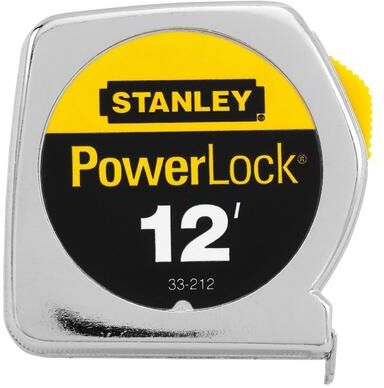
How do you measure short-term power surges in electrical engineering?
Short-term power surges in electrical engineering are typically measured using a device called a power quality analyzer. This device is connected to the electrical system and records voltage and current waveforms over a period of time, allowing engineers to analyze the magnitude and duration of any power surges. Additionally, engineers may also use surge protection devices to measure and mitigate short-term power surges in electrical systems. These devices can detect and divert excess voltage away from sensitive equipment, helping to protect against potential damage from power surges. **
How do I measure size with a tape measure?
To measure size with a tape measure, first, ensure the tape measure is straight and not twisted. Place the end of the tape measure at one point of the object you want to measure, and then extend the tape measure to the other end of the object. Read the measurement where the tape measure meets the end of the object. Make sure to note the units being used (inches, centimeters, etc.) for an accurate measurement. **
Top-Angebote
Products related to Measure:
-
Uplifted Finds Precision Measure Multi Purpose Pet Nutrition Scoops Precision Measure Multi Purpose Pet Nutrition ScoopsAchieve perfect portion control and nutritional accuracy with the PrecisionMeasure Pet Nutrition Scoops. Whether you are managing a strict veterinary diet for a cat, measuring specialized milk replacement for a litter of puppies, or precisely dosing...31,97 $*Shipping: 0,00 $Secure redirect to the provider
-
Stanley PowerLock Tape Measure 25 Foot - Single ItemThe Stanley PowerLock Tape Measure is a durable chrome tape measure that provides positive blade lock while measuring without any creeping. It includes special hooks that allow for drawing circles and arches as well as making accurate measurements....18,86 $*Shipping: 0,00 $Secure redirect to the provider
-
rsvp 1.5-Cup Stainless Steel Measuring Scoop - Scoop & MeasureScoop measures 4.25 x 3 x 6-inches and has an approximate capacity of 1.5 cups inside. Curved rim is designed to make scooping dry foods easier than ever before. Contoured handle is comfortable on the hands.20,95 $*Shipping: 0,00 $Secure redirect to the provider
-
Stanley FatMax Classic Tape Measure 25 Foot - Carton of 4The Stanley FatMax Classic Tape Measure includes a cushion grip that allows for a comfortable feel while providing a non-slip grip and resistance against impact. This Tape Measure includes multi-catch hook grabs for versatility and a top-forward...72,04 $*Shipping: 0,00 $Secure redirect to the provider
-
How do you measure in electrical engineering?
In electrical engineering, measurements are typically taken using various instruments such as multimeters, oscilloscopes, signal generators, and power supplies. These instruments are used to measure voltage, current, resistance, frequency, and other electrical parameters. The accuracy and precision of these measurements are crucial in ensuring the proper functioning of electrical systems and devices. Engineers also use mathematical formulas and calculations to analyze and interpret the measurement data to design, troubleshoot, and optimize electrical systems. **
-
How can one measure the sockets in electrical engineering?
In electrical engineering, sockets can be measured by their physical dimensions such as length, width, and depth. Additionally, the number of pins or contacts in the socket can also be a measurement parameter. The voltage and current ratings of the socket are crucial measurements to ensure compatibility with the devices that will be connected to it. Finally, the material and construction of the socket can be measured in terms of durability and safety standards. **
-
How can you measure the sockets in electrical engineering?
In electrical engineering, sockets can be measured in terms of their voltage, current, and power ratings. The voltage rating indicates the maximum voltage that the socket can handle safely. The current rating specifies the maximum current that the socket can carry without overheating. The power rating is the maximum power that the socket can handle, which is calculated by multiplying the voltage and current ratings. These measurements are crucial for ensuring that the sockets are compatible with the electrical devices they are intended to power. **
-
How do I measure a tape measure?
To measure with a tape measure, first locate the end of the tape and line it up with the starting point of the object you want to measure. Then, pull the tape measure along the object until you reach the end point. Take note of the measurement where the end of the object lines up with the tape measure. Make sure to read the measurement at eye level to ensure accuracy. If the tape measure has both imperial and metric units, be sure to use the correct units for your measurement. **
Similar search terms for Measure
-
Uplift Treasures Pro Bar Jigger 15 30ml Cocktail Measure mProduct Description: Elevate your cocktailmaking experience with our Premium Stainless Steel Dual Shot Jigger the perfect tool for home bartenders and professionals alike. With its sleek, mirrorpolished finish and precise doubleended design, this...48,97 $*Shipping: 0,00 $Secure redirect to the provider
-
Uplift Essentials 10 Piece Automatic Measured Bottle Pourer Set Clear Quick Measure Liquor Dispenser 10 Piece Automatic Measured Bottle Pourer Set Clear Quick Measure Liquor DispenserBring absolute speed, consistency, and professional cost control to your bar setup with this premium automatic measured bottle pourer set. Specifically engineered to streamline beverage service, this highperformance plastic wine pourer cuts off...79,97 $*Shipping: 0,00 $Secure redirect to the provider
-
Stanley PowerLock 16 ft. L X 0.75 in. W Tape Measure 1 pk - 16 ft.Take accurate inside and outside measurements with the STANLEY 16 ft. PowerLock Tape Measure. Mylar polyester film extends the life of the entire blade while the durable chrome high-impact ABS case provides protection.25,49 $*Shipping: 0,00 $Secure redirect to the provider
-
Stanley PowerLock 12 ft. L X 0.5 in. W Tape Measure 1 pk - 12 ft.Stanley tape measures, levels and layout tools deliver the features needed for fast and accurate measurements. Shop our long lasting and durable measuring and layout tools for your job.25,22 $*Shipping: 0,00 $Secure redirect to the provider
-
How do you measure the residual current in electrical engineering?
Residual current in electrical engineering is measured using a device called a residual current device (RCD) or a ground fault circuit interrupter (GFCI). These devices work by continuously monitoring the current flowing through the live and neutral conductors of a circuit. If there is a difference in the current between the live and neutral conductors, it indicates that some current is leaking to the ground, which could be potentially dangerous. The RCD or GFCI then quickly disconnects the circuit to prevent electric shock or fire. The amount of residual current that triggers the disconnection is typically set at 30mA for personal protection and 300mA for fire protection. **
-
How do you measure with a tape measure?
To measure with a tape measure, first, ensure the tape measure is fully extended and the end is securely anchored at the starting point. Then, align the beginning of the tape measure with the edge of the object or surface you are measuring. Next, read the measurement where the other end of the object or surface ends. Make sure the tape measure is straight and not twisted to ensure an accurate measurement. **
-
How do you measure short-term power surges in electrical engineering?
Short-term power surges in electrical engineering are typically measured using a device called a power quality analyzer. This device is connected to the electrical system and records voltage and current waveforms over a period of time, allowing engineers to analyze the magnitude and duration of any power surges. Additionally, engineers may also use surge protection devices to measure and mitigate short-term power surges in electrical systems. These devices can detect and divert excess voltage away from sensitive equipment, helping to protect against potential damage from power surges. **
-
How do I measure size with a tape measure?
To measure size with a tape measure, first, ensure the tape measure is straight and not twisted. Place the end of the tape measure at one point of the object you want to measure, and then extend the tape measure to the other end of the object. Read the measurement where the tape measure meets the end of the object. Make sure to note the units being used (inches, centimeters, etc.) for an accurate measurement. **
* All prices are inclusive of VAT and, if applicable, plus shipping costs. The offer information is based on the details provided by the respective shop and is updated through automated processes. Real-time updates do not occur, so deviations can occur in individual cases. ** Note: Parts of this content were created by AI.