Buy toolchain.eu ?
We are moving the project
toolchain.eu .
Are you interested in purchasing the domain
toolchain.eu ?
domain@kv-gmbh.de · 0541-91531010
Buy toolchain.eu ?
What is the difference between tensile stress and tensile strength?
Tensile stress is the internal resisting force per unit area within a material when subjected to a stretching force, while tensile strength is the maximum stress a material can withstand before breaking. In other words, tensile stress is the force applied to a material, while tensile strength is the material's ability to resist that force before failure. Tensile stress is a measure of the force distributed over a specific area, whereas tensile strength is a measure of the material's ability to withstand that force without breaking. **
'Pressure or Tensile Force?'
Pressure is a force applied perpendicular to the surface of an object, causing compression or squeezing. Tensile force, on the other hand, is a force applied to stretch or pull an object. The main difference between the two is the direction of the force applied - pressure is applied perpendicular to the surface, while tensile force is applied parallel to the surface. Both forces can cause deformation in materials, but in different ways. **

Similar search terms for Tensile
Top-Angebote
Products related to Tensile:
-
Uplifted Finds High Tensile Natural Sisal Restoration Coil 8 Mm 20 MetersRestore your pets favorite climbing and scratching surfaces with the Natural Sisal Restoration Coil, a professionalgrade material module engineered with highfriction structural logic. This highutility spool of organic sisal provides a...100,97 $*Shipping: 0,00 $Secure redirect to the provider
-
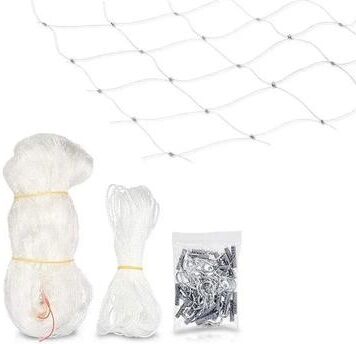
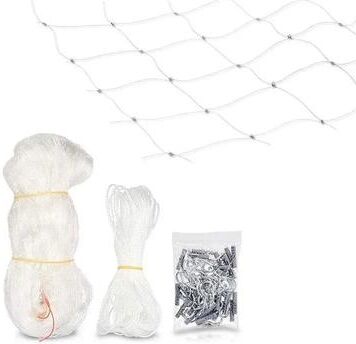
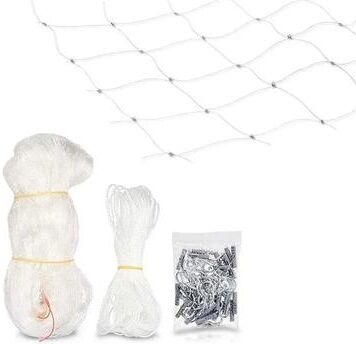
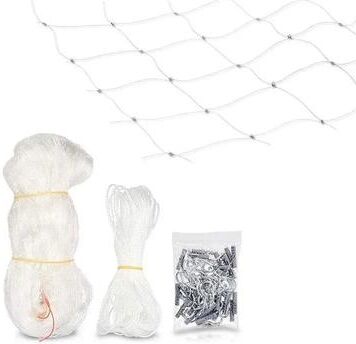
Uplifted Finds Fortress Guard High Tensile Safety Netting 4 X 3 MSecure your pets elevated vantage points with the Fortress Guard Safety System, a highreliability protective barrier engineered with fallprevention logic. This professionalgrade netting features a reinforced nylonsteel composite architecture,...203,97 $*Shipping: 0,00 $Secure redirect to the provider
-
Uplifted Finds Fortress Guard High Tensile Safety Netting 6 X 3 MSecure your pets elevated vantage points with the Fortress Guard Safety System, a highreliability protective barrier engineered with fallprevention logic. This professionalgrade netting features a reinforced nylonsteel composite architecture,...247,97 $*Shipping: 0,00 $Secure redirect to the provider
-
Uplifted Finds High Tensile Natural Sisal Restoration Coil 4 Mm 50 MetersRestore your pets favorite climbing and scratching surfaces with the Natural Sisal Restoration Coil, a professionalgrade material module engineered with highfriction structural logic. This highutility spool of organic sisal provides a...85,97 $*Shipping: 0,00 $Secure redirect to the provider


-
What is a tensile test?
A tensile test is a type of mechanical test used to determine the strength and elasticity of a material. During the test, a sample of the material is pulled in opposite directions until it reaches its breaking point. The test measures the stress and strain on the material, providing valuable information about its mechanical properties such as ultimate tensile strength, yield strength, and elongation. Tensile tests are commonly used in engineering and material science to assess the quality and performance of materials for various applications. **
-
How can the tensile strength Rm be properly determined in mechanical engineering?
The tensile strength Rm can be properly determined in mechanical engineering through the use of a tensile test. This test involves applying a controlled tensile force to a sample of the material and measuring the resulting elongation and ultimate failure load. The tensile strength Rm is then calculated by dividing the maximum load applied during the test by the original cross-sectional area of the sample. This method allows for the accurate determination of the material's ability to withstand tensile forces and is a crucial parameter for material selection and design in mechanical engineering. **
-
What is the difference between compressive stresses and tensile stresses in concrete engineering?
Compressive stresses in concrete engineering refer to forces that tend to compress or shorten the material, while tensile stresses refer to forces that tend to stretch or elongate the material. Concrete is much stronger in compression than in tension, so it is important to design structures that can withstand both types of stresses. Reinforcing materials like steel bars are often used to help concrete withstand tensile stresses. **
-
What is the difference between compressive stress and tensile stress in concrete engineering?
Compressive stress in concrete engineering refers to the force that tends to crush or compact the material, while tensile stress refers to the force that tends to pull or stretch the material apart. In concrete, compressive stress is typically the dominant type of stress, as concrete is much stronger in compression than in tension. Tensile stress can lead to cracking and failure in concrete structures, which is why reinforcement such as steel bars are often used to counteract this type of stress. **

What is the tensile strength of steel?
The tensile strength of steel can vary depending on the grade and type of steel. However, on average, the tensile strength of steel ranges from 400 MPa to 2500 MPa. This high tensile strength is one of the reasons why steel is commonly used in construction and engineering applications where strength and durability are important. **
What is a head impact tensile test?
A head impact tensile test is a type of test used to measure the strength and durability of materials used in protective headgear, such as helmets. During the test, a sample of the material is subjected to a controlled impact or force, simulating the type of impact that could occur during a head injury. The test measures how well the material resists tearing or breaking under the force, providing valuable information about its ability to protect the head from injury. This type of testing is important for ensuring that helmets and other protective gear meet safety standards and can effectively protect against head impacts. **
Top-Angebote
Products related to Tensile:
-
Uplifted Finds SUS Grade High Tensile Litter Sifting Module SUS Grade High Tensile Litter Sifting ModuleUpgrade your domestic sanitation logistics with the SUSGrade HighTensile Sifter, a professionalgrade maintenance tool engineered with heavygauge structural logic. This highutility module features a reinforced stainless steel architecture designed to...81,97 $*Shipping: 0,00 $Secure redirect to the provider
-
Uplifted Finds Fortress Guard High Tensile Safety Netting 8 X 3 MSecure your pets elevated vantage points with the Fortress Guard Safety System, a highreliability protective barrier engineered with fallprevention logic. This professionalgrade netting features a reinforced nylonsteel composite architecture,...258,97 $*Shipping: 0,00 $Secure redirect to the provider
-
Uplifted Finds High Tensile Natural Sisal Restoration Coil 8 Mm 20 MetersRestore your pets favorite climbing and scratching surfaces with the Natural Sisal Restoration Coil, a professionalgrade material module engineered with highfriction structural logic. This highutility spool of organic sisal provides a...100,97 $*Shipping: 0,00 $Secure redirect to the provider
-
Uplifted Finds Fortress Guard High Tensile Safety Netting 4 X 3 MSecure your pets elevated vantage points with the Fortress Guard Safety System, a highreliability protective barrier engineered with fallprevention logic. This professionalgrade netting features a reinforced nylonsteel composite architecture,...203,97 $*Shipping: 0,00 $Secure redirect to the provider
-
What is the difference between tensile stress and tensile strength?
Tensile stress is the internal resisting force per unit area within a material when subjected to a stretching force, while tensile strength is the maximum stress a material can withstand before breaking. In other words, tensile stress is the force applied to a material, while tensile strength is the material's ability to resist that force before failure. Tensile stress is a measure of the force distributed over a specific area, whereas tensile strength is a measure of the material's ability to withstand that force without breaking. **
-
'Pressure or Tensile Force?'
Pressure is a force applied perpendicular to the surface of an object, causing compression or squeezing. Tensile force, on the other hand, is a force applied to stretch or pull an object. The main difference between the two is the direction of the force applied - pressure is applied perpendicular to the surface, while tensile force is applied parallel to the surface. Both forces can cause deformation in materials, but in different ways. **
-
What is a tensile test?
A tensile test is a type of mechanical test used to determine the strength and elasticity of a material. During the test, a sample of the material is pulled in opposite directions until it reaches its breaking point. The test measures the stress and strain on the material, providing valuable information about its mechanical properties such as ultimate tensile strength, yield strength, and elongation. Tensile tests are commonly used in engineering and material science to assess the quality and performance of materials for various applications. **
-
How can the tensile strength Rm be properly determined in mechanical engineering?
The tensile strength Rm can be properly determined in mechanical engineering through the use of a tensile test. This test involves applying a controlled tensile force to a sample of the material and measuring the resulting elongation and ultimate failure load. The tensile strength Rm is then calculated by dividing the maximum load applied during the test by the original cross-sectional area of the sample. This method allows for the accurate determination of the material's ability to withstand tensile forces and is a crucial parameter for material selection and design in mechanical engineering. **
Similar search terms for Tensile
-
Uplifted Finds Fortress Guard High Tensile Safety Netting 6 X 3 MSecure your pets elevated vantage points with the Fortress Guard Safety System, a highreliability protective barrier engineered with fallprevention logic. This professionalgrade netting features a reinforced nylonsteel composite architecture,...247,97 $*Shipping: 0,00 $Secure redirect to the provider
-
Uplifted Finds High Tensile Natural Sisal Restoration Coil 4 Mm 50 MetersRestore your pets favorite climbing and scratching surfaces with the Natural Sisal Restoration Coil, a professionalgrade material module engineered with highfriction structural logic. This highutility spool of organic sisal provides a...85,97 $*Shipping: 0,00 $Secure redirect to the provider
-
Uplifted Finds High Tensile Natural Sisal Restoration Coil 6 Mm 50 MetersRestore your pets favorite climbing and scratching surfaces with the Natural Sisal Restoration Coil, a professionalgrade material module engineered with highfriction structural logic. This highutility spool of organic sisal provides a...125,97 $*Shipping: 0,00 $Secure redirect to the provider
-
Uplifted Finds Fortress Guard High Tensile Safety Netting 2 X 1.5 MSecure your pets elevated vantage points with the Fortress Guard Safety System, a highreliability protective barrier engineered with fallprevention logic. This professionalgrade netting features a reinforced nylonsteel composite architecture,...110,97 $*Shipping: 0,00 $Secure redirect to the provider
-
What is the difference between compressive stresses and tensile stresses in concrete engineering?
Compressive stresses in concrete engineering refer to forces that tend to compress or shorten the material, while tensile stresses refer to forces that tend to stretch or elongate the material. Concrete is much stronger in compression than in tension, so it is important to design structures that can withstand both types of stresses. Reinforcing materials like steel bars are often used to help concrete withstand tensile stresses. **
-
What is the difference between compressive stress and tensile stress in concrete engineering?
Compressive stress in concrete engineering refers to the force that tends to crush or compact the material, while tensile stress refers to the force that tends to pull or stretch the material apart. In concrete, compressive stress is typically the dominant type of stress, as concrete is much stronger in compression than in tension. Tensile stress can lead to cracking and failure in concrete structures, which is why reinforcement such as steel bars are often used to counteract this type of stress. **
-
What is the tensile strength of steel?
The tensile strength of steel can vary depending on the grade and type of steel. However, on average, the tensile strength of steel ranges from 400 MPa to 2500 MPa. This high tensile strength is one of the reasons why steel is commonly used in construction and engineering applications where strength and durability are important. **
-
What is a head impact tensile test?
A head impact tensile test is a type of test used to measure the strength and durability of materials used in protective headgear, such as helmets. During the test, a sample of the material is subjected to a controlled impact or force, simulating the type of impact that could occur during a head injury. The test measures how well the material resists tearing or breaking under the force, providing valuable information about its ability to protect the head from injury. This type of testing is important for ensuring that helmets and other protective gear meet safety standards and can effectively protect against head impacts. **
* All prices are inclusive of VAT and, if applicable, plus shipping costs. The offer information is based on the details provided by the respective shop and is updated through automated processes. Real-time updates do not occur, so deviations can occur in individual cases. ** Note: Parts of this content were created by AI.